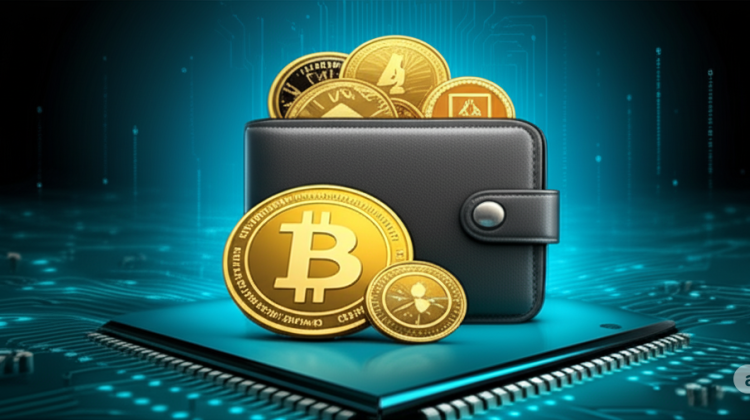
Securing Your Digital Assets: Best Practices for Crypto Wallet Management and Safety
In the world of cryptocurrency, you hold the keys to your own kingdom. This power to be your own bank is one of crypto’s greatest appeals, but it also comes with a great responsibility: security. Unlike a traditional bank account, if your crypto assets are lost or stolen, there is often no one to call and no way to get them back. Protecting your digital gold is not just important; it’s everything.
Understanding Crypto Wallets: More Than Just a Pocket
First, let’s clear up a common misconception. A crypto wallet doesn’t store your coins directly. Your coins always exist on the blockchain. A wallet is a tool that holds your keys—the critical pieces of information that allow you to access and control your funds on the blockchain.
- Public Key: This is like your bank account number. You can share it with others to receive funds. It generates a public address that you use for transactions.
- Private Key: This is like your bank account password or PIN. It proves ownership and authorizes transactions. You must never, ever share your private key with anyone.
The Main Types of Wallets: Hot vs. Cold
- Hot Wallets (Software Wallets): These are wallets that are connected to the internet. They come in the form of mobile apps, desktop programs, or browser extensions. They are convenient for making frequent transactions but are more vulnerable to online hacking attempts.
- Cold Wallets (Hardware Wallets): These are physical devices, similar to a USB stick, that store your private keys offline. To make a transaction, you must physically connect the device and approve it. This makes them the most secure option for storing large amounts of crypto or for long-term holding.
Essential Best Practices for Crypto Security
- “Not Your Keys, Not Your Coins”: This is a famous mantra in crypto. If you leave your crypto on an exchange, you are trusting the exchange with your keys. For maximum security, always move your assets to a personal wallet where you control the private keys.
- Guard Your Seed Phrase: When you create a new wallet, you will be given a “seed phrase” or “recovery phrase,” usually 12 or 24 random words. This phrase is the master key to your entire wallet. Write it down on paper and store it in multiple, secure, offline locations (e.g., a safe). Never store it as a screenshot, in a text file, or in a cloud service. If you lose your device, this phrase is the only way to recover your funds.
- Use Strong Passwords and 2FA: For any crypto-related accounts (like exchanges), use unique, complex passwords. More importantly, enable Two-Factor Authentication (2FA), preferably using an app like Google Authenticator rather than SMS, which is less secure.
- Beware of Phishing and Scams: The crypto space is rife with scammers. Be extremely skeptical of unsolicited emails, direct messages, or “support staff” asking for your information. Never click on suspicious links or enter your seed phrase on any website. Always double-check website URLs and be wary of “giveaways” that seem too good to be true.
Taking personal responsibility for the security of your assets is the most important investment you can make in your crypto journey. By following these practices, you can confidently and safely participate in this revolutionary new financial world.